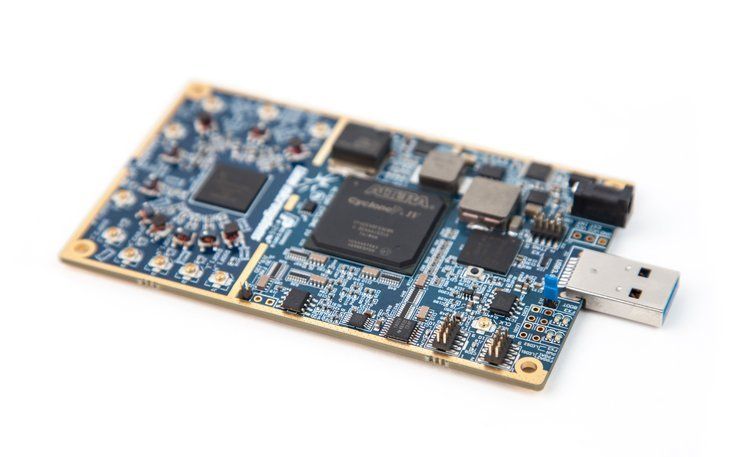
Here's Dave, GW3XHG on 80m of a morning letting everyone know just how good dog food tastes. Dave is a well-known radio amateur, bon viveur, raconteur and gourmet. Dave is joined by Colin MW0GOV from Milford Haven and a few other friends. This video is made from a IQ recording using SDR Console v3.3 build 3084. Please share this video, Dave will appreciate your help spreading the word.
Forums - New Host, New URL
To protect the online forums from AI bots scraping data and blocking the forums, they are now hosted on an Akamai super-fast shared CPU node. Visit the forums at https://forum.sdr-radio.com/.
SDR Television v1.1
After 3 years of intense coding, v1.1 is now available.
SDR-Radio.com
Welcome to SDR-Radio.com Ltd., your go-to source for software defined radio solutions. Whether you're a professional radio operator or an amateur enthusiast, our software is designed to meet your needs. With our user-friendly interface and advanced features, you can take your radio experience to the next level. From signal processing to frequency hopping, our software has you covered. Join the SDR community and unlock the power of software defined radio today.
SDR Console is a Windows solution for Software Defined Radio (SDR) receivers and transceivers. The program is being continually developed with new features added on a regular basis. Licenced radio amateurs and shortwave listeners do not need a licence to use this software; a licence is required for commercial use .
Apple Silicon Macs are supported with the free VMware Fusion Player 13, an application that includes a free personal license option.
This software supports radios from most major manufacturers, simple soundcard radios such as SoftRocks and the excellent Airspy, ELAD and SDRplay ranges. What are you waiting for?
The author is Simon Brown, also known as G4ELI, has a background in radio technology and software development. He is known for his work in commercial radio monitoring with software-defined radio (SDR) technology. Simon is the creator of SDR Console and has been involved in various SDR projects. He is also known for his original work on Ham Radio Deluxe and has been active in the radio community for many years. Additionally, he has contributed to the development of radio monitoring and SDR technology through his company SDR-Radio.com Ltd.

Support
Please do not send e-mail direct to me (simon@sdr-radio.com), instead visit the Support page. I just don't know all the answers. This software supports many different SDRs, I can't remember all the unique features and configuration settings. Use the mailing list or support forums to connect with other users.
Recent Blog Posts

SDR Television v1.1.7 October 26th, 2026, Important bug fix and enhanced user interface. I've been using ChatGPT to help with both DSP and user interface design. Here we see the result of interface design. Receiver Finally found the cause of a bad memory leak. Every time User Interface Added an Octave Spectrum display, this is selected on the Receive and Transmit displays from the main dropdown, sub-menu "Audio Display..." as shown below. Added a new Style, SDR Television - Modern. Select the style from the Style dropdown in the top right-hand corner of the main display. Downloads are at the bottom of this page.

Introduction During September and October 2026 new noise blankers have been implemented to improve what was a weak part of the SDR Console signal processing chain. Using the knowledge of ChatGPT, this exercise took only five days and the result is shown below. These noise blankers will be available sometime in October 2026. Impulse Noise A noise blanker should remove Impulsive interference such as electrical switching noise, electric-fence pulses, ignition interference and short static crashes The screenshot below shows the new wideband noise blanker in action. The top half of the main waterfall shows the noise created by an electric fence, The bottom half shows the noise removed by the new wideband noise blanker.

RadioClear AI – A New Approach to Speech Noise Reduction Improving Weak Signal Reception One of the biggest challenges when listening to weak radio signals is separating speech from background noise. As signals become weaker, the noise can overwhelm the speech, making conversations difficult or sometimes impossible to understand. Conventional noise reduction has been available in software-defined radios for many years. Most systems analyse the received audio, estimate which frequencies contain noise, and reduce their amplitude. This can work very well, but there is always a compromise. Too little suppression leaves distracting background noise, while too much can make speech sound metallic, watery or unnatural. Important speech information may disappear along with the noise. For some time, I have wanted to develop a better approach for SDR Console, particularly for weak SSB reception. The objective was not simply to produce quieter audio, but to improve intelligibility while preserving the natural characteristics of the speaker's voice. The result is RadioClear AI , a new noise-reduction system combining adaptive digital signal processing with a recurrent neural network and complex temporal filtering. Comparison With RNNoise RadioClear AI and RNNoise both use neural networks to improve speech intelligibility by reducing unwanted background noise, but they employ different approaches. RNNoise is a well-established, computationally efficient solution that combines traditional signal processing with recurrent neural networks to estimate frequency-dependent suppression gains. It performs well across a variety of speech applications and has the advantage of being lightweight and widely tested. RadioClear AI has been developed specifically with radio communications in mind, particularly weak SSB signals affected by receiver noise. It combines adaptive noise estimation and speech-aware spectral processing with a recurrent neural network that generates complex temporal filter coefficients. Unlike conventional gain-based suppression, this approach uses information from consecutive audio frames to adjust both the amplitude and phase of the enhanced signal. Both approaches have strengths, and their relative performance depends on the type of interference, signal conditions and training material. RNNoise benefits from its maturity, efficiency and general-purpose design, while RadioClear offers a more specialised processing architecture tailored to weak radio reception. In initial listening tests, RadioClear AI has produced encouraging results, with cleaner background noise and natural-sounding speech compared with RNNoise on the signals tested. However, these observations are subjective, and controlled comparisons across a wider range of recordings would be needed to establish a consistent performance advantage. Further improvements to RadioClear's training data are planned, particularly using cleaner speech recordings and a greater variety of speakers and receiver noise conditions. Combining Traditional DSP with Artificial Intelligence Rather than relying entirely on artificial intelligence, RadioClear AI uses two complementary processing stages. The first stage is based on conventional digital signal processing. It continuously estimates the background noise and analyses the incoming audio to identify frequencies likely to contain speech. It also examines harmonic relationships, which are particularly important for voiced speech. This information is used by an adaptive spectral suppressor to reduce background noise while protecting important speech components. The result is an initial noise-reduced signal that provides a stable foundation for the neural network. This arrangement has an important advantage. The neural network does not need to learn everything about noise estimation and suppression from scratch. Instead, it receives a partially cleaned signal together with detailed information about the speech and noise characteristics. The neural network can then concentrate on improving the result. Looking Beyond Individual Audio Frames One of the limitations of conventional spectral noise reduction is that it generally operates by adjusting the amplitude of individual frequency components. However, speech is not a collection of unrelated frequencies. It is a continuously evolving signal with strong relationships between consecutive moments in time. RadioClear AI takes advantage of this. The incoming audio is divided into overlapping frames, and each frame is converted into a frequency-domain representation using a Fast Fourier Transform (FFT). The neural network receives 400 features describing the signal across 40 frequency bands. These include information about signal power, estimated noise, signal-to-noise ratio, speech probability, harmonic content and the relationships between consecutive complex spectra. At the heart of the system are two Gated Recurrent Unit (GRU) layers. Unlike a simple feed-forward neural network, a GRU maintains information about previous frames, allowing the system to recognise how speech changes over time. This temporal information is particularly valuable when the speech is partially obscured by noise. Complex Temporal Filtering The most significant difference between RadioClear AI and a conventional neural noise reducer is the way the network processes the audio. Many neural noise-reduction systems generate a set of gains that are applied to individual frequency bins. Although effective, this approach primarily controls amplitude. RadioClear AI goes further by generating complex-valued filter coefficients . For each frequency bin, the system combines information from the current audio frame and the previous two frames. The neural network determines how these spectra should be combined to produce the enhanced signal. Because the coefficients are complex, the system can modify both amplitude and phase. It can also exploit the relationships between consecutive frames rather than treating each frame independently. This gives the network considerably more flexibility than a conventional spectral gain mask. The neural network produces coefficients for 40 frequency bands, which are interpolated across the 257 FFT frequency bins. A three-tap complex temporal filter then generates the enhanced spectrum, which is converted back into audio. The complete process operates continuously in real time. Training the Neural Network The neural network is trained offline using examples of speech mixed with receiver noise. During training, the system is provided with both the noisy signal and the corresponding clean speech. It learns to generate complex filter coefficients that make the processed spectrum resemble the clean reference as closely as possible. An important development decision was to train the network against the actual reconstructed complex spectrum , rather than simply asking it to reproduce a set of ideal filter coefficients. This means the training process directly rewards improvements in the enhanced signal. The current network contains approximately 568,000 parameters and was trained using speech mixed with real receiver noise at signal-to-noise ratios ranging from +15 dB to −10 dB. The training and evaluation process showed substantial reductions in complex spectral error compared with the initial deterministic noise-reduction stage. The improvements were particularly encouraging at the lowest signal-to-noise ratios, where additional noise reduction is most valuable. Of course, mathematical measurements are only part of the story. A lower spectral error does not automatically guarantee better-sounding speech, so listening tests remain essential. Real-Time Processing and Listening Results The neural network was originally developed and trained using Python and PyTorch. The complete inference engine was then implemented in C++ for integration into SDR Console. To ensure that the C++ implementation behaved correctly, its results were compared directly with the Python reference. This included the recurrent network, complex coefficient generation, frequency interpolation and final spectral filtering. The results agreed to floating-point precision, giving confidence that the real-time implementation reproduces the trained model accurately. Initial listening tests have been very encouraging. On weak SSB signals, RadioClear AI produces natural-sounding speech with substantial background-noise reduction. In my own listening comparisons, the results have been noticeably better than RNNoise, particularly in preserving speech quality while reducing unwanted noise. An additional aggressiveness control has also proved useful, allowing stronger suppression of residual noise where desired. As always, the best setting depends on the received signal. Maximum noise reduction is not necessarily the same as maximum intelligibility, so the listener retains control over the amount of processing applied. What Comes Next? Although the current results are very promising, development is far from finished. One area where I expect further improvements is the training material. The first model was trained using a relatively small amount of speech, and the supposedly clean reference recording contained a little background noise. This is not ideal. If noise is present in the clean training reference, the network can learn to preserve some of that noise because it is treated as part of the wanted signal. The next step will therefore be to create a much better training dataset using genuinely clean speech recordings, ideally from several different speakers, together with a wider variety of real receiver noise. I intend to retain the existing neural architecture initially so that improvements from better training data can be evaluated independently. There is also potential to extend the system to other receiving modes, including AM and music, while retaining the existing 8 kHz neural processing engine. Final Thoughts RadioClear AI represents a significant step forward in my work on speech noise reduction for SDR Console. The most interesting aspect is not simply that it uses artificial intelligence, but how conventional DSP, recurrent neural processing and complex temporal filtering work together . By combining an adaptive noise estimator, speech-aware spectral processing and a neural network capable of exploiting relationships between consecutive audio frames, the system can perform noise reduction that would be difficult to achieve using conventional spectral attenuation alone. The aim has always been straightforward: make weak radio signals easier and more pleasant to listen to, without destroying the speech we are trying to recover. The initial results suggest that this approach has considerable potential, and I look forward to seeing how much further it can be improved with better training recordings. RadioClear AI is still evolving, but it is already producing some of the best weak-signal speech noise reduction I have achieved in SDR Console.

Can We Build a Better SSB Demodulator?

The Future of SDR Software

History
Digital Signal Processing
Digital signal processing (DSP) is the use of digital processing to perform a wide variety of signal processing operations. It involves the manipulation of digital signals, which are sequences of numbers representing samples of a continuous variable in a domain such as time, space, or frequency. DSP has applications in various fields such as audio and speech processing, sonar, radar, spectral density estimation, digital image processing, data compression, and telecommunications, among others[1]. Digital Signal Processors (DSPs) take real-world signals that have been digitized and then mathematically manipulate them. They are designed to perform mathematical functions like addition, subtraction, multiplication, and division very quickly. DSPs are used in a wide variety of applications, including audio and video processing, telecommunications, and control systems[2]. For those interested in learning more about DSP, there are resources available such as journals, books, and online courses[3][4][5].
Citations:
[1] https://en.wikipedia.org/wiki/Digital_signal_processing
[2] https://www.analog.com/en/lp/001/beginners-guide-to-dsp.html
[3] https://www.sciencedirect.com/journal/digital-signal-processing
[4] https://www.dspguide.com
[5] https://ocw.mit.edu/courses/res-6-008-digital-signal-processing-spring-2011/New Paragraph
C++
Projects are written mainly in C++ with some assembler used in the decimation. Writing C++ software involves several key steps to ensure a successful and efficient development process. Here are some essential aspects to consider when writing C++ software:
- Planning and Design: Before writing any code, it's crucial to plan and design your software. This involves defining the problem you're solving, outlining the features and functionality, and creating a high-level design of the system.
- Use of Object-Oriented Principles: C++ is an object-oriented programming language, so it's important to utilize its features such as classes, objects, inheritance, and polymorphism to create modular and reusable code.
- Code Organization: Maintain a well-organized codebase by using proper file and folder structures. Group related code together and follow best practices for naming conventions.
- Memory Management: C++ requires manual memory management, so it's essential to allocate and deallocate memory properly to avoid memory leaks and undefined behavior. Consider using smart pointers and RAII (Resource Acquisition Is Initialization) to help manage resources.
- Error Handling: Implement robust error handling mechanisms to gracefully handle unexpected situations and prevent crashes or data corruption.
- Testing: Write comprehensive unit tests to verify the correctness of your code. Consider using testing frameworks like Google Test or Catch2 to automate the testing process.
- Performance Considerations: C++ is known for its performance, so pay attention to performance considerations such as algorithm efficiency, data structures, and optimization techniques.
- Documentation: Write clear and concise documentation for your code, including comments within the code itself as well as external documentation for users and other developers.
By following these guidelines, you too can create well-structured, efficient, and maintainable C++ software.
Assembler
Assembly language, also known as "assembler," is a low-level programming language that provides direct access to a computer's hardware resources, such as the CPU, memory, and I/O ports. It uses mnemonic instructions to represent machine code instructions, making it more powerful than higher-level languages such as C++, Java, or Python. Assembly language is often used in performance-critical applications where speed and efficiency are essential, such as in gaming, high-frequency trading, or certain scientific computing tasks[2].
One of the key features of assembly language is its ability to facilitate fast and efficient code writing. Although coding in assembly language is quite complex, the language is much more flexible than other high-level languages. It allows for highly optimized code that can run faster and more efficiently than those written in higher-level languages. Additionally, assembly language allows programmers to directly access the computer’s hardware resources, making it an ideal language for systems programming, which involves writing code that interacts with the operating system and the computer’s hardware devices[2].
While programming in assembly language can be challenging, it offers the benefit of allowing programmers to write highly optimized code for specific hardware, as assembly language instructions map directly to the machine language instructions that the CPU can execute[2].
Citations:
[1] https://users.ece.utexas.edu/~valvano/assmbly/intro.htm
[2] https://www.spiceworks.com/tech/tech-general/articles/what-is-assembly-language/amp/
[3] https://youtube.com/watch?v=zmzw5DZzqtc
[4] https://stackoverflow.com/questions/2684364/why-arent-programs-written-in-assembly-more-often
[5] https://blog.devgenius.io/getting-started-writing-assembly-language-8ecc116f3627?gi=cddee7f132da
What is software defined radio?
Software-defined radio (SDR) is a radio communication system where components traditionally implemented in analog hardware, such as mixers, filters, and modulators, are instead implemented using software on a personal computer or embedded system[1]. In an SDR, the properties of the radio, such as carrier frequency, signal bandwidth, modulation, and network access, are defined by software[2]. SDR software takes the broadband signal provided by the SDR device and displays, filters, and decodes it into usable signals[3]. SDRs are highly flexible and versatile, and they can be used for a wide range of wireless applications[5].
Citations:
[1] https://en.wikipedia.org/wiki/Software-defined_radio
[2] https://www.sciencedirect.com/topics/engineering/software-defined-radio
[3] https://makezine.com/article/electronics/getting-started-with-software-defined-radio-sdr/
[4] https://www.mathworks.com/discovery/sdr.html
[5] https://www.everythingrf.com/community/what-is-a-software-defined-radio
Applications of software defined radio
Some applications of software-defined radio (SDR) include:
- Military: SDR technology is widely adopted by the military for tasks such as electronic warfare, signal intelligence, aircraft navigation, communications, and missile guidance[1].
- Amateur Radio: Radio amateurs use SDR for various tasks such as radio communications, satellite tracking, and signal decoding[2].
- Mobile Communications: SDR is extremely useful in mobile communications, allowing for flexibility in choosing frequency ranges and modes better suited to current conditions[1].
- Research and Development: Many research projects benefit from SDR as it allows for the programming of radios to provide exact transmitter and receiver specifications for various purposes[1].
- Spectrum Management and Interference Mitigation: SDR is used for spectrum management and interference mitigation in various communication networks[2].
SDR technology offers flexibility, cost-effectiveness, and the ability to quickly reconfigure radio systems to support different waveforms and spectrum profiles, making it suitable for a wide range of military, commercial, and civilian applications[1][2].
Citations:
[1] https://www.researchdive.com/blog/all-you-need-to-know-about-software-defined-radio
[2] https://www.rfpage.com/what-are-the-components-of-software-defined-radio-and-its-applications/
[3] https://www.sciencedirect.com/topics/engineering/software-defined-radio
[4] https://en.wikipedia.org/wiki/Software-defined_radio
[5] https://www.everythingrf.com/community/what-is-a-software-defined-radio
Features to consider when buying a software defined radio
When buying a software-defined radio (SDR), several features should be considered to ensure it meets your needs. Some of the key features to consider include:
- Frequency Range: Different SDRs have different frequency ranges, so it's important to choose one that covers the frequencies you want to receive or transmit. For example, if you need to listen to HF transmissions, you'll need an SDR that covers HF frequencies[3].
- Flexibility and Performance: SDR systems should offer increased flexibility and improved performance. This allows for quick reconfiguration to support different waveforms and spectrum profiles, which is critical for various applications such as military and commercial radio usage[1].
- Cost: The price of an SDR depends on its features and capabilities. For beginners, starting with a low-cost SDR and upgrading later as needs grow is a common approach[3].
- Compatibility and Platform: Consider the compatibility of the SDR with your existing systems. Some SDRs are cross-platform, while others may be limited to specific operating systems like Windows[2].
- Antenna Ports and Connectors: Some SDR models offer multiple antenna ports and connectors, which can be advantageous for different applications[2].
- Electrical Shielding: Good electrical shielding is important to prevent interference and ensure the quality of the received signals[2].
- Manufacturer and Support: It's advisable to choose SDRs from manufacturers with good documentation and support, especially for those new to SDR technology[2].
By considering these features, you can make an informed decision when purchasing a software-defined radio that best suits your specific requirements.
Citations:
[1] https://www.sciencedirect.com/topics/engineering/software-defined-radio
[2] https://hagensieker.com/2022/06/28/selecting-a-software-defined-radio-rtl-sdr/
[3] https://rssl.lk/2023/07/27/sdr-buying-guide/
[4] https://www.researchdive.com/blog/all-you-need-to-know-about-software-defined-radio
[5] https://www.rfpage.com/what-are-the-components-of-software-defined-radio-and-its-applications/
Advantages of using a software defined radio over traditional radios
The advantages of using a software-defined radio (SDR) over traditional radios include:
- Flexibility and Reconfigurability: SDR technology allows for quick reconfiguration to support different waveforms and spectrum profiles, offering increased flexibility and improved performance. This is particularly beneficial for military and commercial radio users who need to rapidly adapt to changing requirements[1].
- Cost-Effectiveness: SDRs offer a flexible and cost-effective solution, as the same hardware platform can be used for several different radios. Additionally, upgrades and reconfigurations can often be done remotely, providing considerable cost savings[1].
- High Performance: SDRs can achieve very high levels of performance, and this performance can be changed by updating the software, providing a level of adaptability that is not possible with traditional hardware-based radios[1].
- Wide Range of Applications: SDR technology is suitable for a wide range of applications, including military, amateur radio, mobile communications, research and development, spectrum management, and interference mitigation[2][5].
- Spectrum Monitoring and Interference Mitigation: SDRs are used for spectrum monitoring and interference mitigation in various communication networks, making them invaluable for ensuring efficient use of the radio frequency spectrum[5].
In summary, the advantages of SDRs include their flexibility, cost-effectiveness, high performance, and suitability for diverse applications, making them a compelling choice for many radio communication needs.
Citations:
[1] https://www.electronics-notes.com/articles/radio/sdr-software-defined-radio-receiver/sdr-basics.php
[2] https://www.researchdive.com/blog/all-you-need-to-know-about-software-defined-radio
[3] https://www.everythingrf.com/community/what-is-a-software-defined-radio
[4] https://www.wirelessinnovation.org/Benefits_of_SDR
[5] https://www.rfpage.com/what-are-the-components-of-software-defined-radio-and-its-applications/
Most common types of software defined radios available on the market
The most common types of software-defined radios (SDRs) available on the market include a wide range of products designed for various applications. These can be categorized based on their intended use and features. Some of the common types of SDRs available are:
- Military-Grade SDRs: These are designed for defence, security, and mission-critical applications. They are highly capable and offer support for multiple wave fronts, in line-of-sight, ground-to-air, and other mission-critical applications. Companies like BAE Systems plc, Northrop Grumman Corporation, and Raytheon Technologies Corporation are prominent manufacturers in this space[1].
- Consumer-Grade SDRs: These are more affordable and cater to consumer enthusiasts. They come in a variety of form factors, ranging from small portable devices to more precise and robust equipment. They are suitable for applications such as amateur radio projects, Wi-Fi, Bluetooth, and cellular network setup, signal analysis, and exploration of wireless communication systems[2][4].
- Specialized SDRs: There are specialized SDRs designed for specific purposes, such as spectrum monitoring, interference mitigation, radar, test and measurement, medical applications, and high-frequency trading. These SDRs offer specific features tailored to their intended use[5].
These SDRs vary in terms of performance, cost, and application, catering to a diverse set of users with different needs and requirements.
Citations:
[1] https://www.fortunebusinessinsights.com/blog/top-10-software-defined-radio-companies-10630
[2] https://rssl.lk/2023/07/18/popular-sdrs/
[3] https://saabrds.com/latest-trends-in-software-defined-radios-sdrs/
[4] https://www.embedded.com/selecting-the-right-software-defined-radio-solution-for-your-application/
[5] https://www.everythingrf.com/community/what-is-a-software-defined-radio
Recommended PC
April 18th, 2024: A good PC configuration using an Intel CPU and Nvidia GPU would be:
CPU: Intel Core i5-12600K or Intel Core i7-12700K
These 12th generation Intel CPUs provide excellent gaming performance and are a great balance of price and performance. The i5-12600K has 10 cores (6 performance cores, 4 efficiency cores) and the i7-12700K has 12 cores (8 performance cores, 4 efficiency cores), providing plenty of processing power for gaming and other tasks.[4]
GPU: Nvidia GeForce RTX 3070 or RTX 3080
The RTX 3070 and 3080 are high-end Nvidia GPUs that can deliver excellent 1440p and 4K gaming performance. The RTX 3070 is a great value option, while the RTX 3080 provides even more power for maxed out settings and higher resolutions.[3]
Motherboard: Compatible LGA 1700 socket motherboard, such as an Asus ROG Strix Z690-E Gaming WiFi or MSI Pro Z690-A WiFi DDR4
These motherboards will support the 12th gen Intel CPUs and provide features like PCIe 5.0, DDR4 memory support, and robust power delivery.
RAM: 16GB or 32GB of DDR4 3600MHz memory
16GB is the recommended amount for most gaming PCs, but 32GB provides extra headroom for multitasking and more demanding workloads.[1][2]
Storage: 1TB SSD (M.2 NVMe or SATA) + 2TB HDD
A fast SSD for the operating system and primary games, plus a high-capacity HDD for additional storage.[3]
Power Supply: 650W-850W high-quality, 80+ Gold certified PSU
Provides ample power for the high-end CPU and GPU components.[3]
This configuration would deliver excellent gaming performance at 1440p and 4K resolutions, while also being capable of handling productivity tasks, content creation, and other demanding workloads. The Intel CPU and Nvidia GPU combination is a proven and reliable pairing for a high-end gaming PC.[1][2][3][4]
Citations:
[1] https://www.reddit.com/r/linux_gaming/comments/17fyebf/what_are_the_current_standard_gaming_pc_specs/
[2] https://apexgamingpcs.com/blogs/apex-support/minimum-specs-gaming-pc
[3] https://www.wired.com/story/how-to-build-a-pc/
[4] https://www.ukgamingcomputers.co.uk/blog/how-to-choose-the-right-processor-for-your-gaming-pc-build/
[5] https://www.pcgamer.com/best-cpu-for-gaming/
Power Supply
April 18th, 2024: Based on the search results, the best power supply for a gaming PC would be the Corsair RMx Series RM750x.[1][3][4]
Key reasons why the Corsair RM750x is the best power supply:
- It provides 750 watts of power, which is sufficient for most high-end gaming PCs with powerful CPUs and GPUs.[1][3][4]
- It is highly efficient, with an 80 Plus Gold certification, meaning it converts AC power to DC power with at least 87-92% efficiency.[1][3][4]
- It uses all-Japanese capacitors rated for up to 105°C, ensuring reliable and stable power delivery.[1][3][4]
- The 135mm magnetic levitation fan keeps the power supply cool and quiet under load.[1][3][4]
- It is fully modular, allowing for easy cable management and improved airflow inside the PC case.[1][3][4]
- It has plenty of connectors for high-end components, including 2 EPS connectors for CPUs and 4 PCIe connectors for graphics cards.[1][3][4]
- It is well-reviewed by multiple reputable tech publications as one of the best overall power supplies for gaming PCs.[1][3][4]
Search results consistently recommend the Corsair RM750x as the top choice for a high-quality, reliable, and efficient power supply to power a gaming PC with high-end components.[1][3][4]
Citations:
[1] https://www.pcgamesn.com/best-power-supply-pc-gaming
[2] https://pcgamingcases.co.uk/power.html
[3] https://www.ign.com/articles/best-power-supply
[4] https://www.pcgamer.com/best-power-supply-unit-for-pc-gaming-our-top-psu-for-pc/
[5] https://www.tomshardware.com/reviews/best-psus,4229.html
Monitor
April 18th, 2024: Based on the search results, the best overall computer monitor is the Acer Nitro XV275K P3biipruzx[1][2]. It is an excellent, versatile monitor that performs well for a variety of uses, including gaming and productivity. Key features include:
- 4K resolution with sharp text clarity
- Wide viewing angles and good ergonomics for easy positioning
- Mini LED backlighting and decent local dimming for excellent picture quality
- High 160Hz refresh rate and fast response time for smooth motion handling
- Bright enough for HDR content
The search results also highlight several other top monitors for specific use cases:
- Best for gaming: Alienware 34 QD-OLED[3]
- Best budget 4K monitor: LG 32UN500-W[1]
- Best for office/productivity: Dell U2723QE[2]
- Best for photo/video editing: Dell S2722QC[2]
Overall, the Acer Nitro XV275K P3biipruzx stands out as the best all-around computer monitor based on the comprehensive reviews and recommendations provided in the search results[1][2].
Citations:
[1] https://www.tomshardware.com/best-picks/best-computer-monitors
[2] https://www.rtings.com/monitor/reviews/best/monitors
[3] https://www.pcgamer.com/best-gaming-monitor/
[4] https://www.pcmag.com/picks/the-best-computer-monitors-for-business
[5] https://www.digitaltrends.com/computing/best-computer-monitors/
Console
⚝ Up to 24 receivers (VFOs)
⚝ SSB, CW, AM, FM, FM-Stereo
⚝ Audio recorder: WAV, MP3 and WMA
⚝ Recording & playback of base (IQ) data
⚝ User-selectable colour palettes
⚝ Favourites and Quick Memories
⚝ Supports Windows 7 to Windows 11
⚝ Client / server design
⚝ Multi-monitor support.

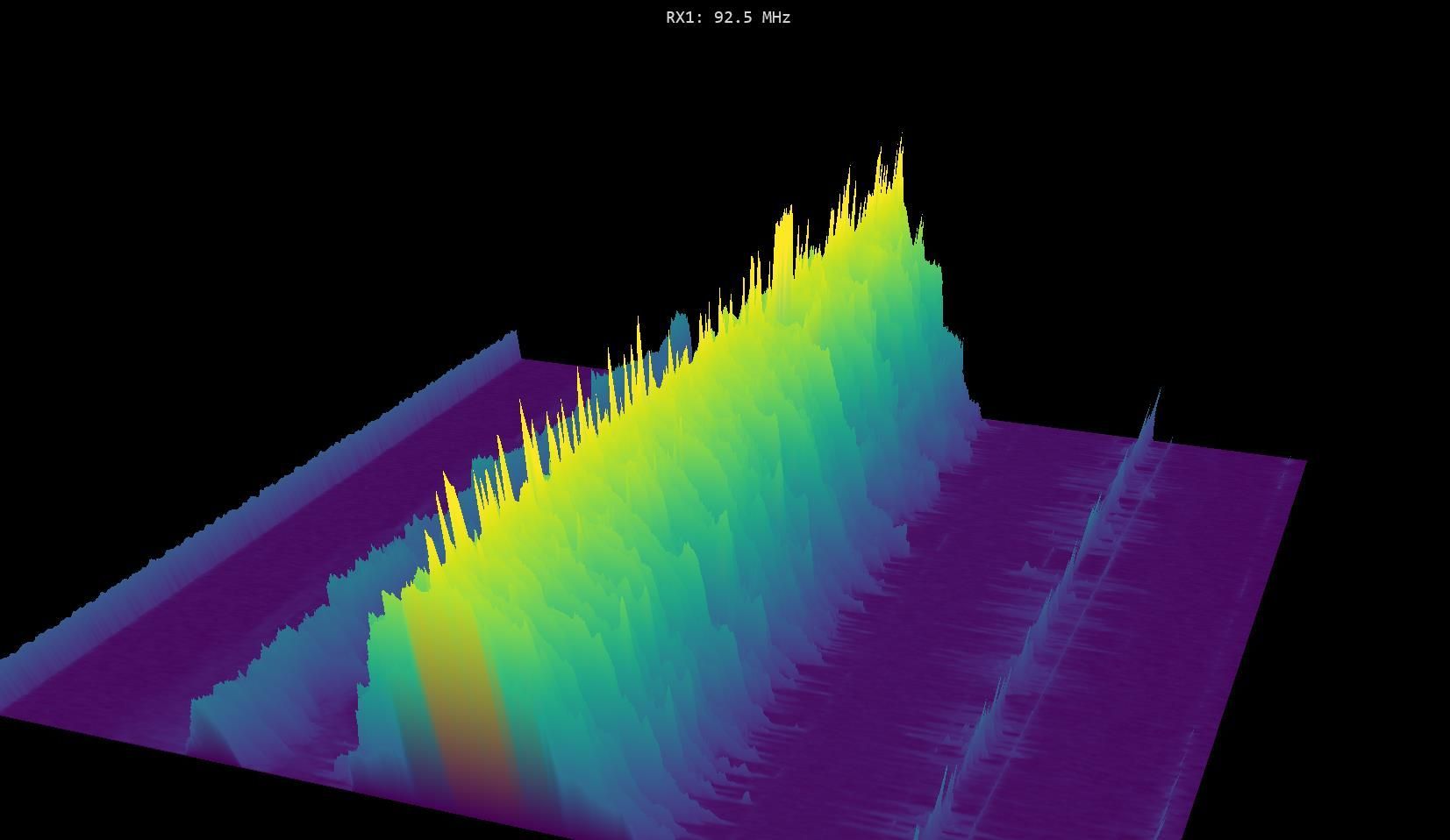
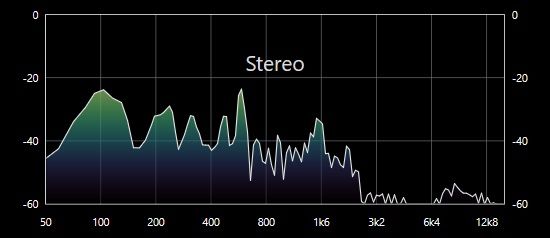
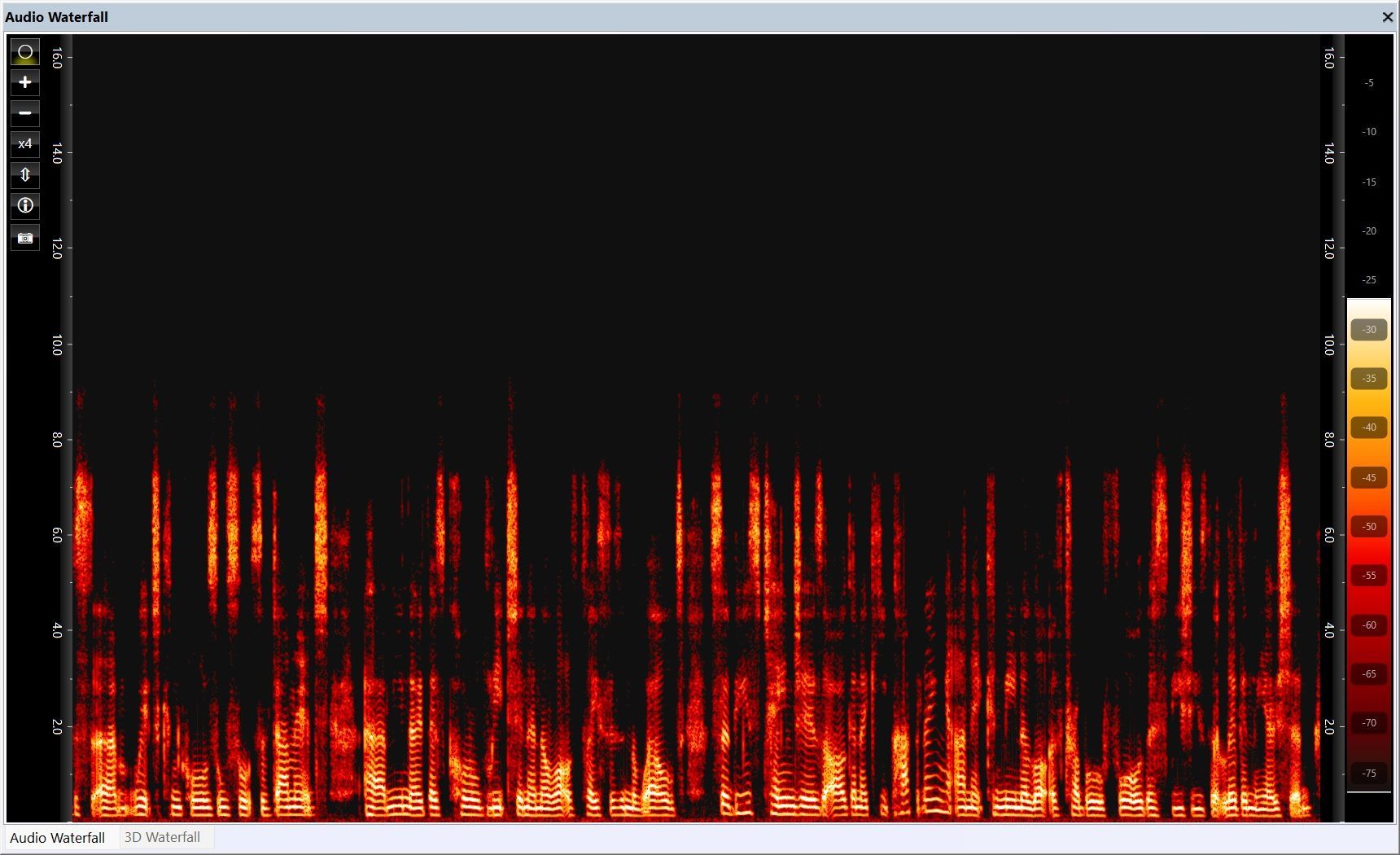
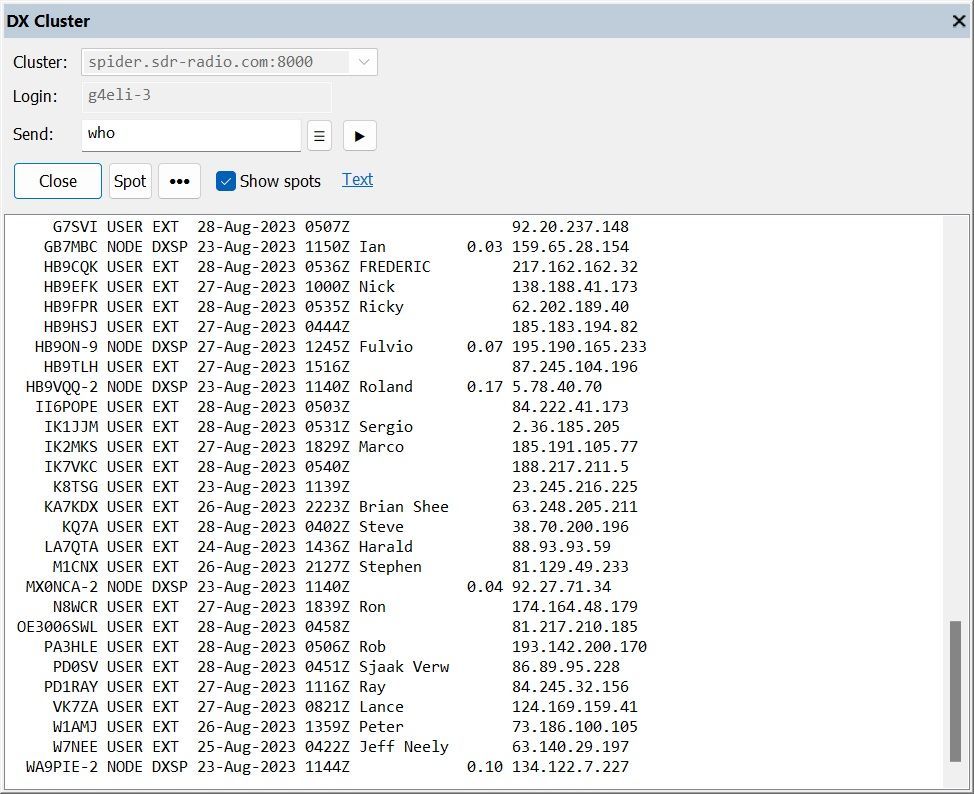
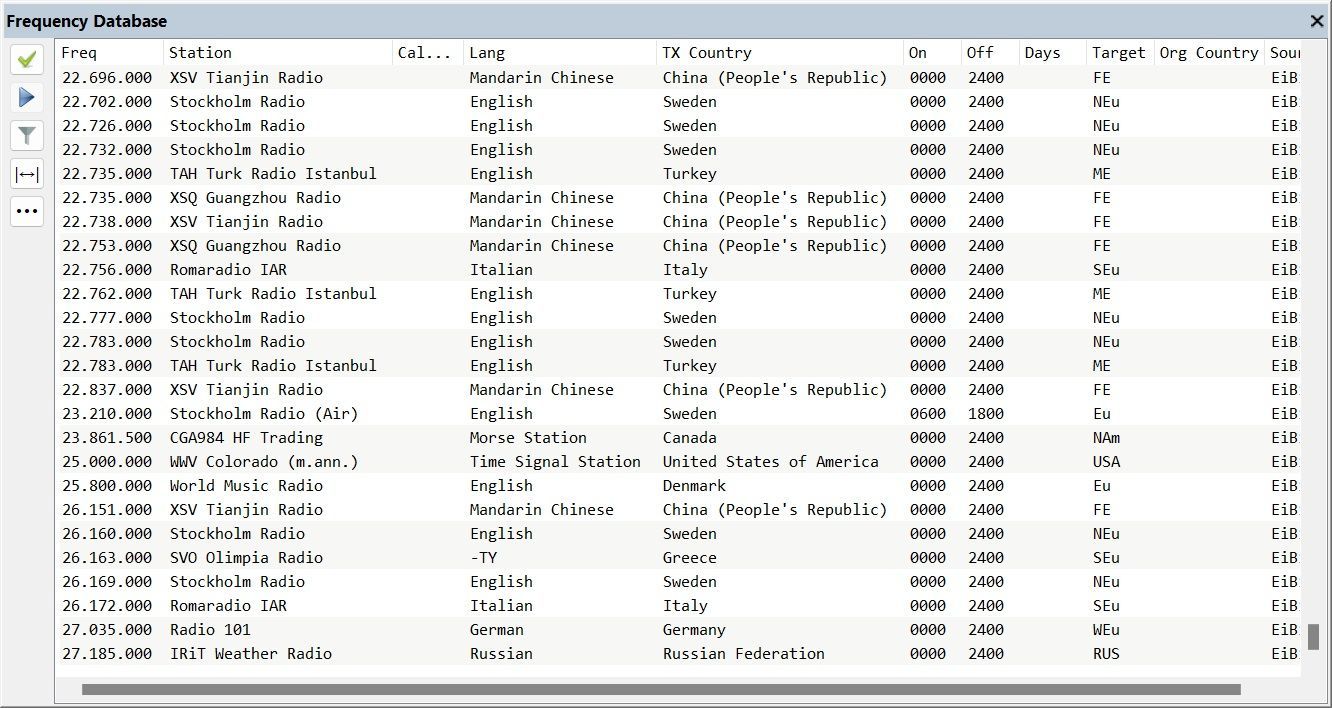
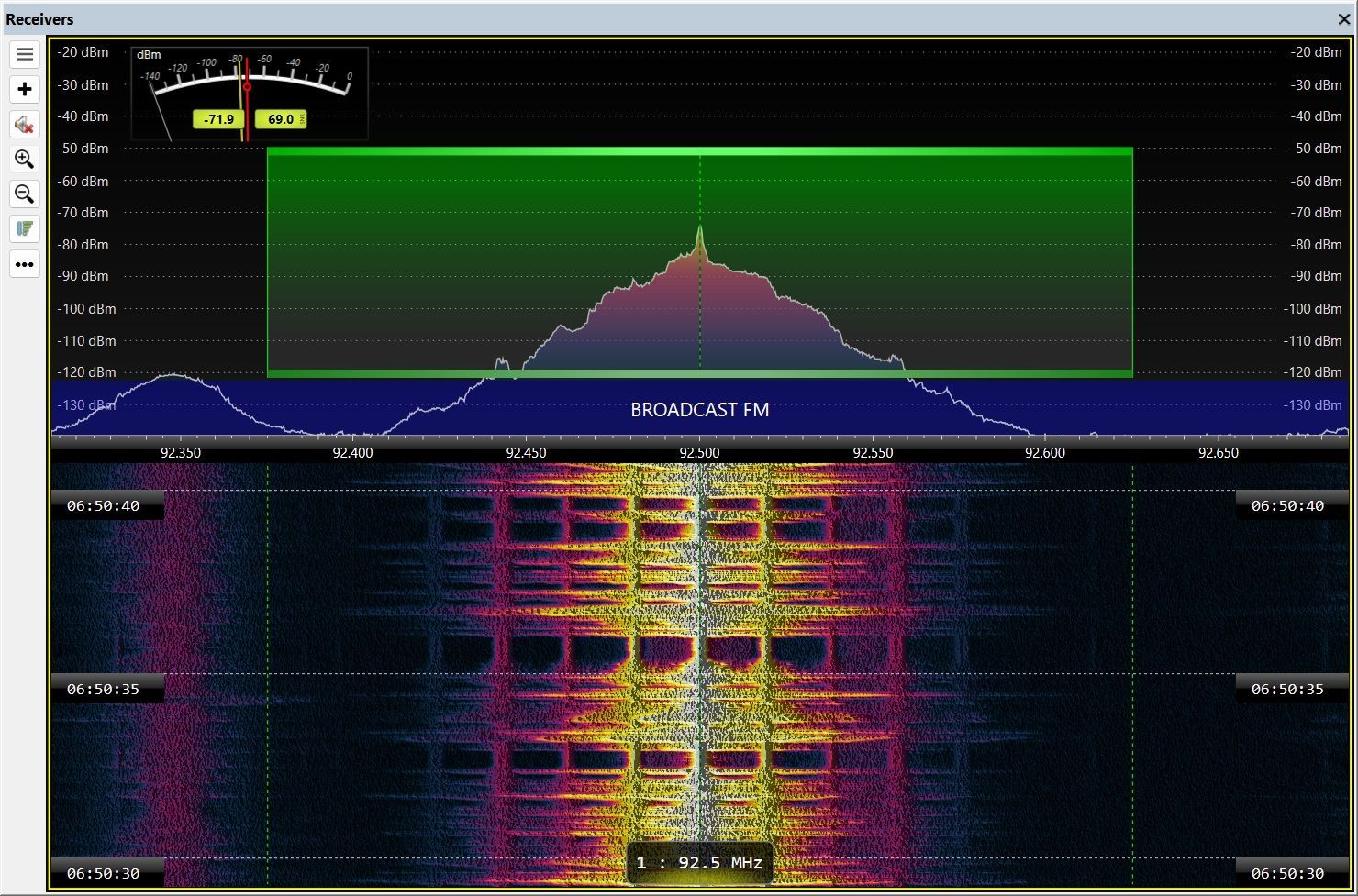
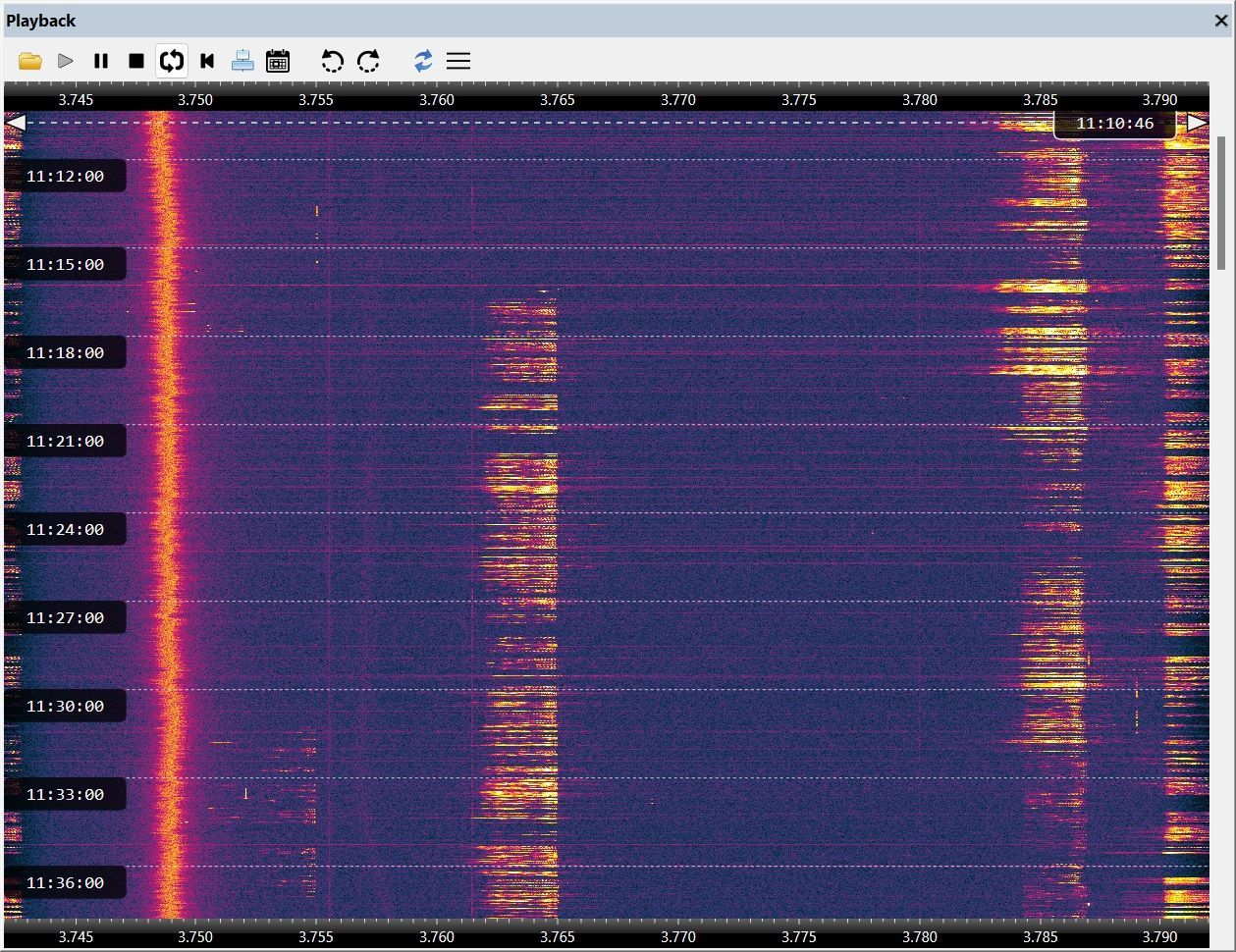
View more
List of Services
-
Audio
There are many audio options:
- Buffering
- Equaliser
- Pseudo Stereo
-
Console Streaming
Connect your PC to the data output from SDR Console running on another PC.
-
DSPList Item 1
The console has the usual DSP chain and options: NB, NR, AGC, filters etc.
-
External Radio
Integrate a SDR with your HF transceiver to display the current band as a panormaic display.
-
FavouritesList Item 3
Just like a web browser this software supports and almost unlimited number of favourite definitions.
-
Filters
You define a set of filter definitions for each mode group - CW, AM, SSB, FM etc. When you change mode the corresponding filter definitions are displayed in the receive DSP pane.
-
Layout, Panes
The user interface uses docking panes for options such as receivers, RX and TX DSP, signal history, recording playback navigation.
-
Markers
Use markers to annotate the spectrum display. Markers are used for:
- Beacons
- Fixed transmissions such as:
- Broadcast FM,
- Repeaters.
-
Modes
All standard modes are supported: CW, SSB (LSB, USB, DSP), AM (including SAM, ECSS), FM (Narrow, Wide, Broadcast).
-
More OptionsList Item 2
Enable additional options such as satellite support, HF radio integration, CW skimmer.
-
Performance
Enable use of your graphics card for the CPU intensive FFT processing. Both NVIDIA CUDA and OpenCL are supported.
-
RadiosList Item 4
Many different SDRs are supported, from the simpler softrocks through to the gold-standard NetSDR.
-
Receivers
Start up to 24 independent receivers, displayed in either the receiver pane or the advanced Matrix window.
-
Rec/Playback
Recording of:
- 🔊 audio (WAV, MP3, WMA),
- 💽 IQ (RAW) data and
- 🎬 MP4 video is supported.
There is a scheduler and full support for IQ playback.
-
S-Meter
All receivers have a Signal Meter (S Meter). SDR Console offers a digital bar and a psudo analog meter.
-
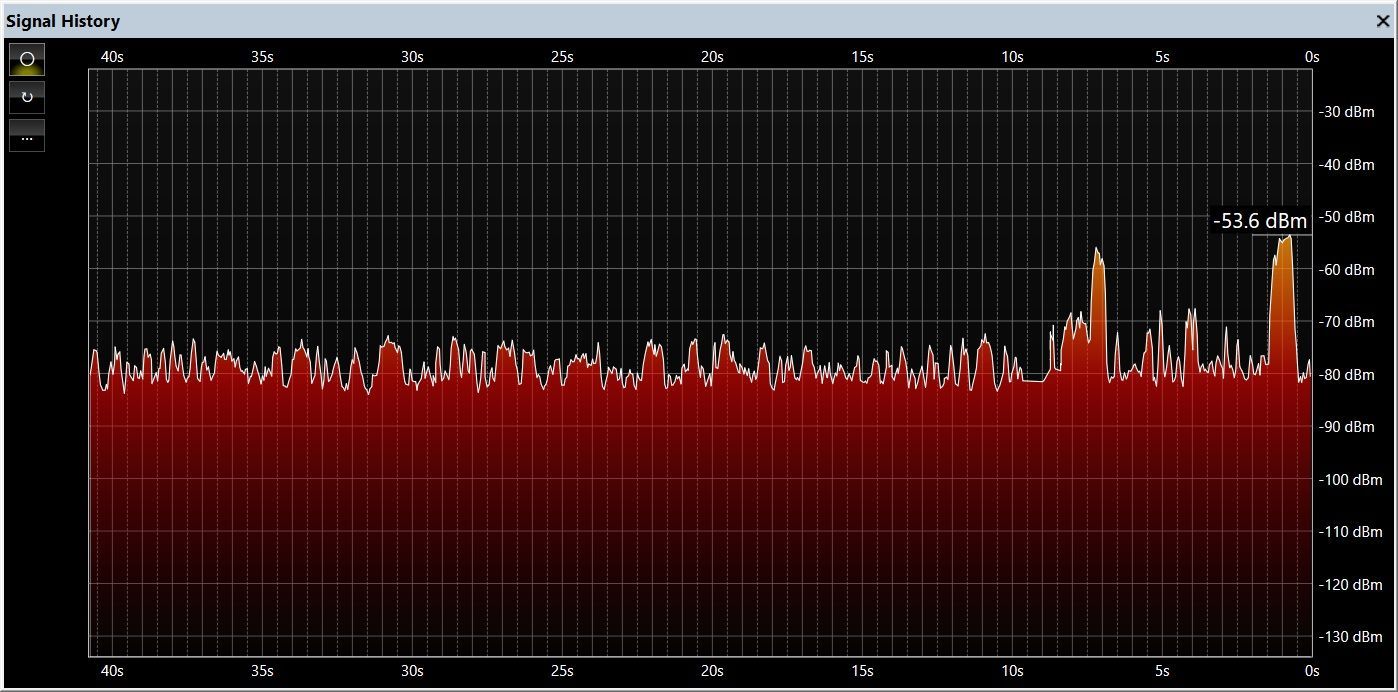
Signal History
The signal history is started from the View pane of the ribbon bar, data can be exported for further analysis.
-
Transmit
Transmit support is at an early stage, currently supporting the ANAN and Lime transceivers.
-
Tuning
Tune receivers in a variety of ways - with the mouse, MIDI controllers, memories and favourites.
-
Wideband DSP
Wideband DSP takes place after the data is received from the radio and before other processing stages such as spectrum display and receivers / demodulation.
Server
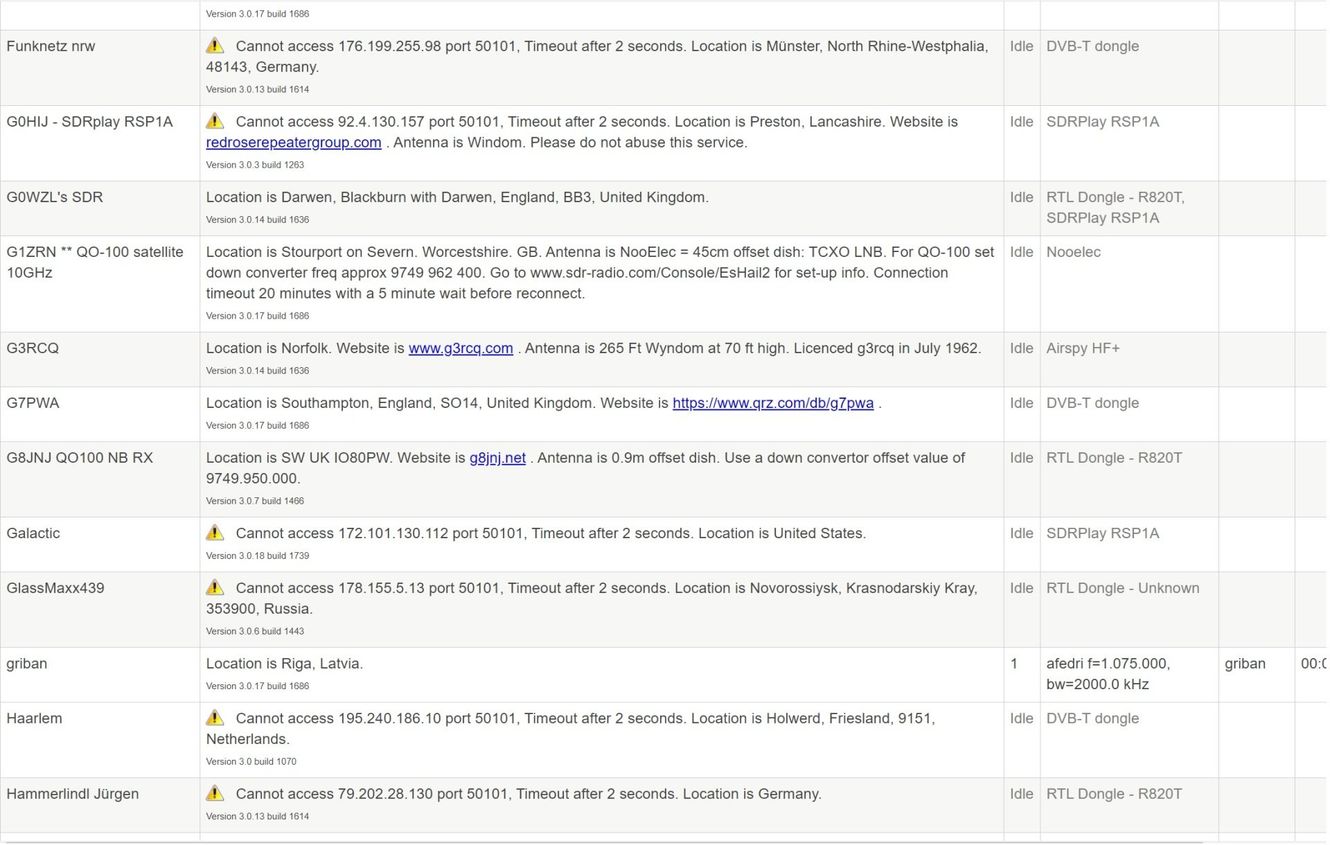
Use SDR Console to connect to radios around the world for free. Streams IQ data, has intelligent compression, supports multiple simultaneous receivers.
- View a list of current servers,
- All features of the software are available,
- Simple to use,
- Discover the whole world!
Radios
This software supports radios from many manufacturers, all currently supported radios are shown here. The images on this page belong to their respective manufacturers unless taken by the author. For accurate information please visit the manufacturer's website.
Transmit support is available now, currently supporting ANAN transceivers, ELAD DUO, Hermes-Lite 2, Lime and Pluto.
List of Services
-
ARINST
SDR Dreamkit V1D
-
AfedriList Item 1
Afedri SDR
-
AirspyList Item 2
Airspy
Airspy Mini
Airspy HF+/Discovery
Airspy (SPY Server)
-
Analog DevicesList Item 3
ADALM-PLUTO
-
ANANList Item 4
ANAN 10e
ANAN 8000DLE
-
Andrus
SDR 1.5
-
Cross Country Wireless
SDR-4+, USB soundcard
-
DXpatrol
DXpatrol, Supported, see RTL Dongles
-
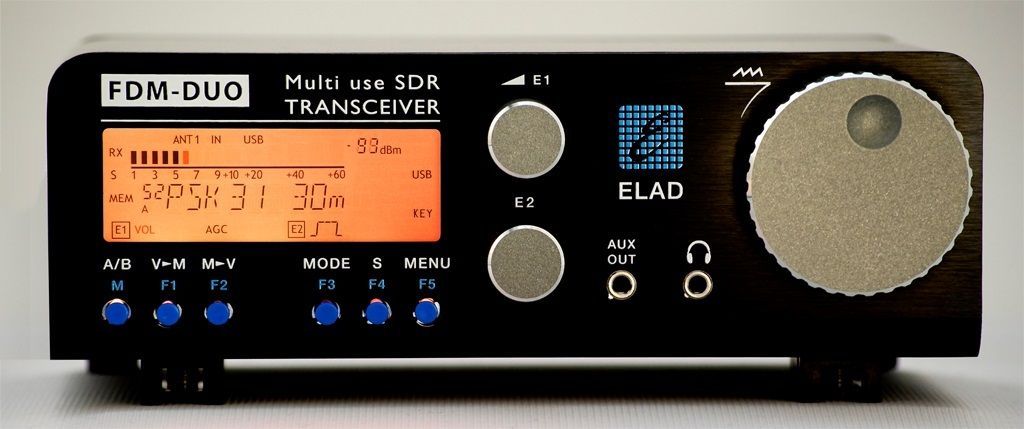
ELAD
FDM-S1, FDM-S2, FDM-S3, FDM-DUO, FDM-DUOr
-
Ettus Research
B200
B210
X310
-
FUNcube Dongle
FUNcube
FUNcube Plus
-
Great Scott Gadgets
hackRF
-
Hermes-Lite 2
HL2, TX supported
List of Services
-
ICOM
R8600
-
Lime Microsystems
LimeSDR, LimeSDR Mini
Note: LMS8001 companion board support is not planned.
-
microTelecom
Perseus
-
NUAND
bladeRF
-
RFspace
SDR-IQ
SDR-IP
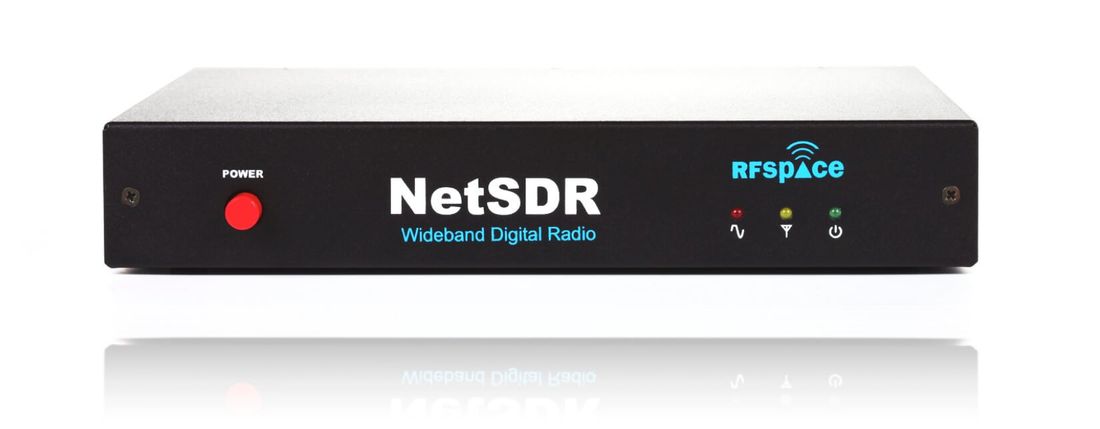
NetSDR
CloudIQ
-
RTL Dongles
Many different, sold on eBay
-
RX-666/888
A direct sampling receiver with up to 32 MHz bandwidth.
-
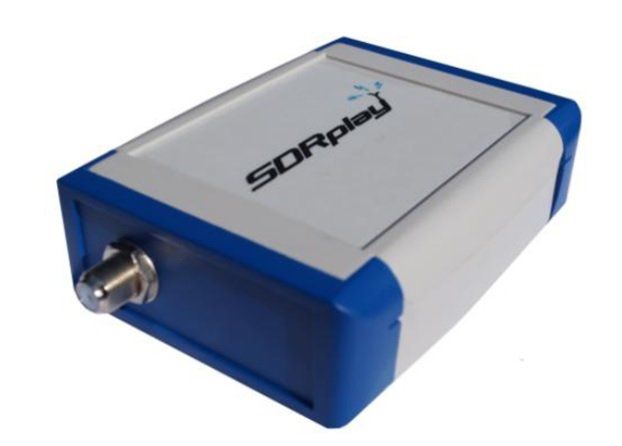
SDRPlay
RSP1, RSP1A, RSP2, RSPduo, RSPdx
-
Softrock
Many different. Examples are Tony Parks (KB9YIG), FiFi, Cross Country Wireless and many more.
-
WiNRADiO
G31DDCm G33DDC, G35DDC, G65DDC (Sigma)
Support
Need assistance with the software, your computer or have a question? Visit the support page...
Mailing List
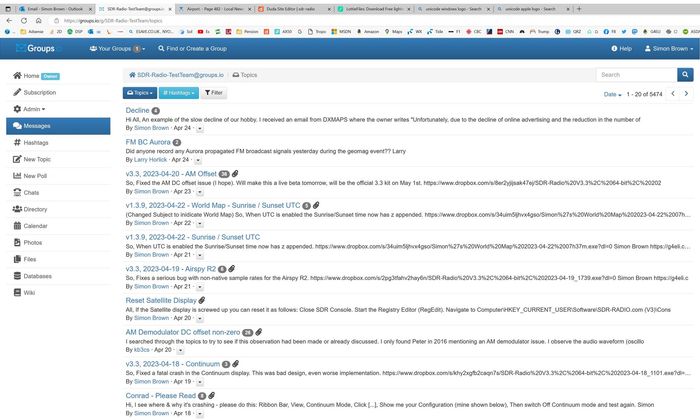
A traditional mailing list is hosted at https://sdr-radio.groups.io .
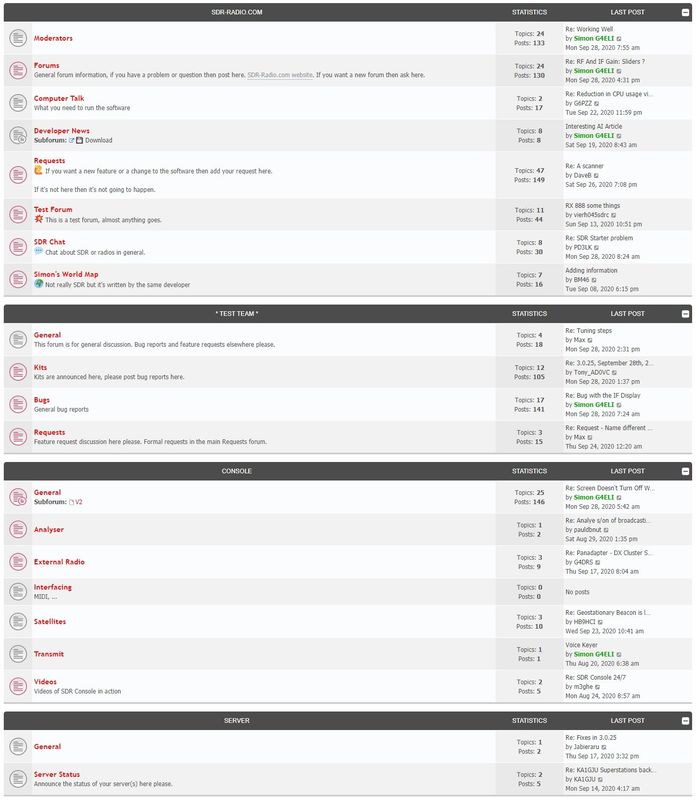
Online Forum
Using phpBB, the online forum is a great resource for those who don't like mailing lists and prefer a searchable archive.
FAQ
The frequently asked questions are here.
More Options
READ MORE
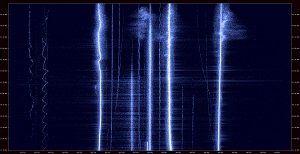
Most SDR consoles which display data in real-time can also record the raw IQ data to a series of files for later analysis. This program is designed to analyse these recordings:
- Displays of up to 5,000 by 20,000 pixels,
- Playback synchronised with the console,
- Signal history,
- Zoom in on an area of interest.
READ MORE
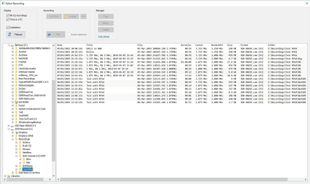
Save the data from the radio (IQ) in a standard WAV RF64 file, there is no limit to the file size.
Playback recordings made by this and other software:
- ELAD,
- Perseus,
- SDRSharp etc.
READ MORE
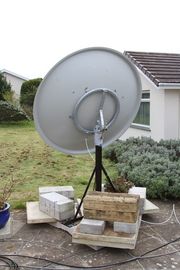
Satellite tracking provides a simple yet powerful support for all satellites. A minimum knowledge of satellite theory and operation is required to use this software. When you start it for the first time it is ready to be used.
All the features you expect are included:
- Doppler frequency correction,
- Rotator support,
- Recording.